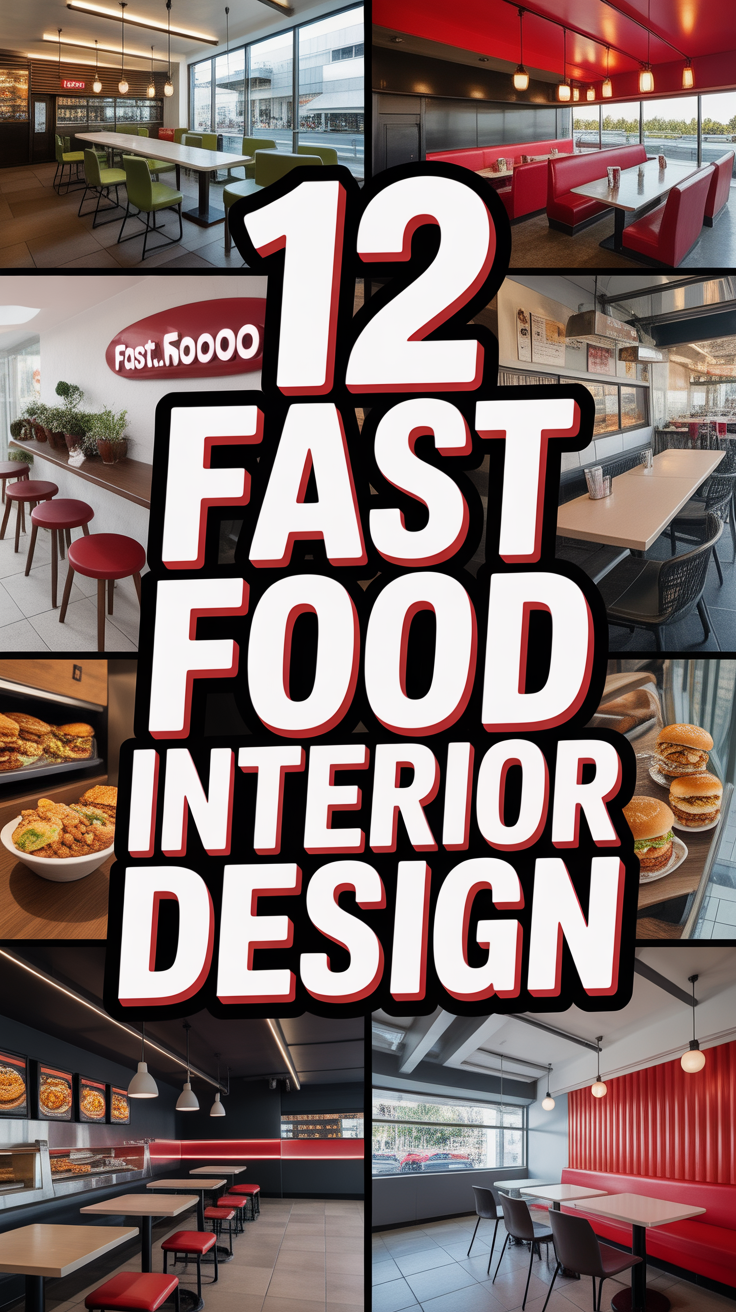
🍔 12 Fast Food Interior Design
Alright, let’s spill the tea on something we all secretly judge: fast food interiors. Seriously, who knew grabbing a burger could come with such a side of design critique? Forget just fueling up; these spots are low-key serving up some serious style statements. We’re diving deep into the genius (and sometimes questionable) choices that make these quick-bite havens tick. It’s not just about getting your grub fast; it’s about the entire vibe.
1. Bold Branding Colors
First up, let’s talk color. These places practically yell their brand from the rooftops, and honestly, we love the commitment. Think vibrant reds, sunny yellows, and cheerful greens that scream “eat me now and be happy about it.” A pro tip for your own space: use a dominant color strategically to define zones without needing walls. This works because it instantly communicates identity and energy, making the space feel cohesive and memorable.
2. Open Kitchen Concepts
Peeking into the kitchen used to be a big no-no, but now it’s practically a selling point. Watching your fries get tossed or your burrito built adds a layer of transparency and trust. You can even see the magic happen! For a home kitchen, consider a pass-through window or island seating to replicate that interactive feel. It works by making the food prep part of the dining experience, adding a touch of theatrical flair and reassurance.
3. Modular Seating
Flexibility is key, especially when you’ve got everyone from solo diners to large families rolling in. Modular seating allows for easy reconfiguration, making every visit feel custom-fit. Seriously, those benches that slide? Genius. Try incorporating stackable stools or benches in your own space for instant adaptability. This design works because it maximizes space and caters to diverse group sizes, keeping things flowing smoothly.
4. Tech Integration
Gone are the days of just a counter and a cashier. Now we’ve got self-order kiosks, digital menus, and charging stations galore. It’s like a mini tech hub with a side of fries. Make sure your design includes easily accessible charging ports and strong Wi-Fi; it’s practically a utility now. This works by streamlining the ordering process and adding modern convenience, keeping customers happy and connected.
5. Art Walls and Murals
Plain walls? So last season. Fast food joints are embracing large-scale art, often reflecting local culture or playful brand imagery. It’s an instant mood booster and a great Instagram moment. Consider a statement wall with bold wallpaper or a custom mural to inject personality into any room. This works because it transforms a mundane space into a dynamic visual experience, offering a unique backdrop.
6. Biophilic Design Elements
Bringing the outdoors in isn’t just for fancy cafes anymore. You’ll spot plants, natural wood, and even water features popping up in your favorite drive-thru. It’s calming amidst the chaos. A little greenery goes a long way, so add some low-maintenance plants or a vertical garden to your interior. This works by creating a more serene and inviting atmosphere, making the space feel fresh and less sterile.
7. Nostalgic Retro Touches
Sometimes, a little trip down memory lane is exactly what the doctor ordered. Think checkered floors, neon signs, and classic diner booths. It’s a comforting blast from the past. Hunt for vintage posters or a classic jukebox replica to nail that retro vibe. This works because it evokes a sense of comfort and familiarity, making the dining experience feel timeless and fun.
8. Lighting as Mood Setter
Lighting is everything, and fast food places are getting smart about it. From bright, energetic overheads to softer, more intimate zones, they’re using light to guide your experience. Use a mix of ambient, task, and accent lighting to create different moods within a single area. This works by enhancing the overall aesthetic and functionality, influencing how customers perceive the space and feel within it.
9. Sustainable Materials
Eco-conscious choices are making their way into quick-service design, from recycled countertops to reclaimed wood. It shows they care, and frankly, it looks good too. Look for furniture made from recycled plastics or reclaimed wood when upgrading your own pieces. This works by appealing to environmentally aware consumers and contributing to a more modern, responsible brand image.
10. Community Tables
Long, communal tables encourage interaction and make solo diners feel less alone. It’s a subtle nod to community, even if you’re just silently sharing Wi-Fi. If you have the space, a large dining table that can host many guests promotes connection. This works by fostering a sense of shared experience and making the space feel more welcoming and social.
11. Playful Signage and Wayfinding
Forget boring “restrooms” signs. Fast food spots are using clever graphics and witty text to guide you around. It’s a fun way to navigate the space. Get creative with your own home’s labels; think hand-lettered pantry signs or whimsical door plaques. This works by adding personality and making navigation intuitive, turning functional elements into delightful design features.
12. Grab-and-Go Zones
With takeout and delivery booming, dedicated grab-and-go areas are becoming essential. Think sleek shelves and clear signage for quick pickups. Designate a specific, easy-access spot for delivery and pickup items in your own home to streamline your routines. This works by optimizing efficiency for those on the move, catering to modern consumption habits and reducing clutter.
Conclusion
So, there you have it. Fast food interiors are way more thought-out than just throwing some chairs and tables together. They’re a masterclass in making you feel a certain way, moving you along, and even making you smile. Next time you’re waiting for your order, take a moment to appreciate the design genius around you. It’s all part of the experience, and honestly, it’s pretty brilliant.