✈️ How To Fold Clothes For Travel
Imagine a journey where every sunrise unveils a new possibility, every cobblestone street whispers ancient tales, and every spontaneous detour leads to a hidden gem. This isn’t just a dream; it’s the reality of travel unburdened. The secret? Mastering the art of packing, starting with how you fold your clothes. This guide isn’t merely about neatness; it’s about unlocking freedom, preserving the pristine condition of your garments, and ensuring your adventures are limited only by your imagination, not by a bursting, disorganized suitcase.

Quick Overview

This guide will transform your packing routine from a chore into a thoughtful preparation, ensuring your clothes arrive as ready for adventure as you are. You’ll learn techniques that save space, prevent wrinkles, and empower you to embrace every travel opportunity with grace and ease.
Time needed: 30-60 minutes (initial learning curve, then 15-20 minutes per trip)
Difficulty: Beginner
What you’ll need: Your chosen garments, a clean, flat surface, and an open mind.
Step-by-Step Instructions
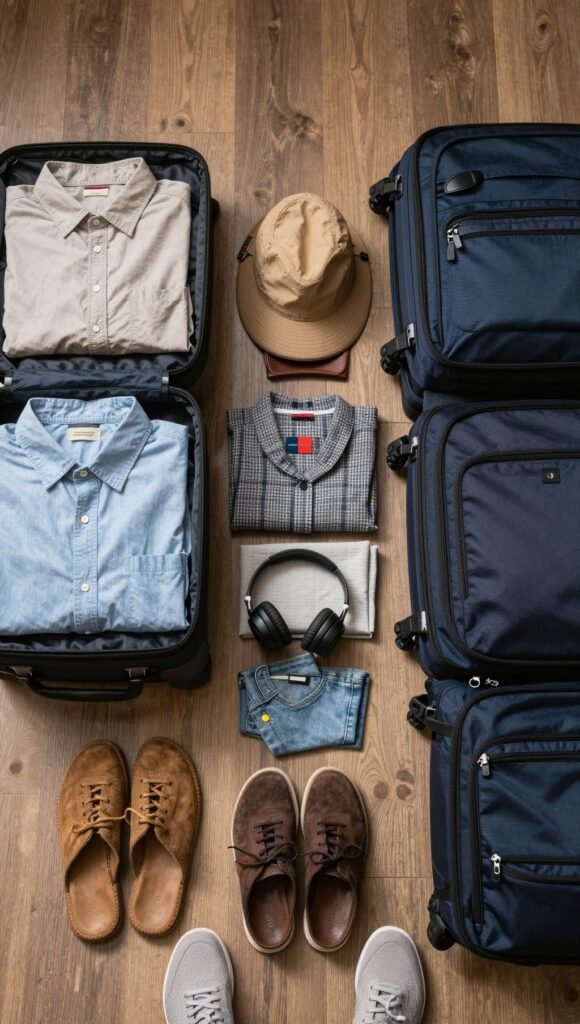
The true magic of travel lies in the moments of discovery, the unscripted encounters, and the freedom to wander where your spirit leads. Efficient packing isn’t just about fitting more; it’s about freeing you to chase those moments, unencumbered by a heavy, disorganized bag. Let’s unfold the journey, one garment at a time.
Step 1: Cultivate Your Canvas – Prepare Your Space and Mindset
Before a single fold is made, set the stage. Clear a large, flat surface – a bed, a clean floor, or a spacious table. This isn’t just about hygiene; it’s about creating a dedicated space, a sartorial altar where you can thoughtfully consider each item. Lay out all the clothes you intend to bring. See them, feel their textures, and envision the adventures they will accompany you on. This initial survey helps you edit, ensuring only essential pieces, those that truly resonate with your travel aspirations, make the cut. Think of this as the initial selection of your travel companions, each piece chosen for its versatility and comfort, ready to adapt to the shifting landscapes and unexpected invitations of your journey.
Pro tip: Before laying out, take a moment to visualize your trip. Will you be exploring ancient ruins under a scorching sun, dining in elegant city bistros, or trekking through misty mountain paths? This mental journey helps you select clothes that are not just beautiful, but truly functional and appropriate for the experiences you seek, preventing overpacking and ensuring every item earns its space.
Step 2: Embrace the Roll – The Art of Space-Saving Cylinders
For soft, wrinkle-resistant items like t-shirts, casual tops, jeans, socks, and underwear, the rolling method is a revelation. It minimizes creases and maximizes space, turning a floppy garment into a compact, resilient cylinder. Imagine each rolled item as a tightly bound scroll, holding the promise of comfort and style, ready to be unfurled at a moment’s notice.
- For T-shirts and Casual Tops: Lay the shirt flat, face down. Fold the sleeves inward towards the center. Now, fold the shirt in half lengthwise. Starting from the bottom hem, roll it up tightly and smoothly towards the collar. The tighter the roll, the fewer the wrinkles and the more space you save. Feel the fabric compress, becoming dense and robust.
- For Jeans and Trousers: Lay them flat, smooth out any wrinkles. Fold them in half lengthwise. Starting from the hem, roll them up tightly towards the waistband. This creates a sturdy base for your packing.
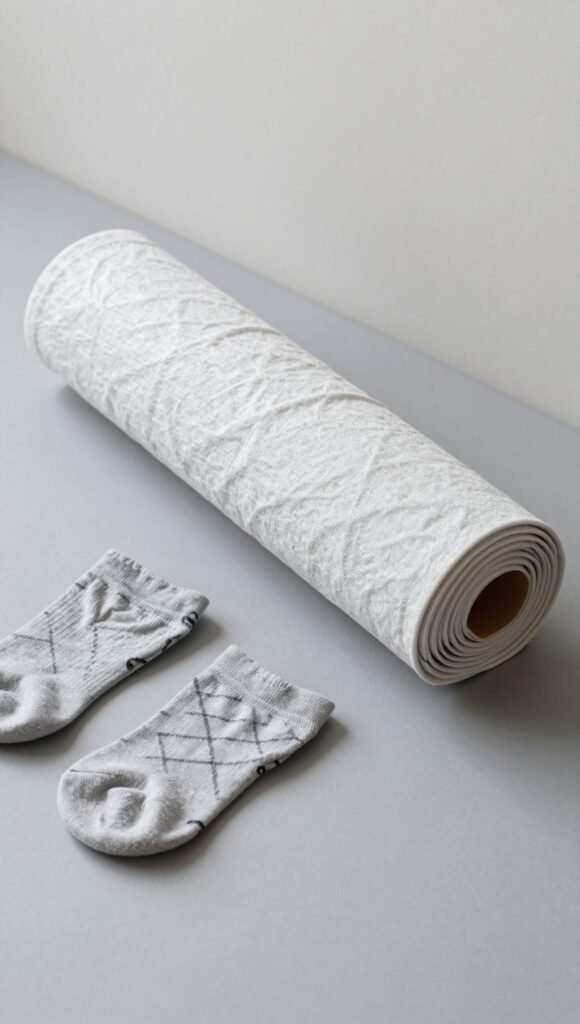
- For Socks and Underwear: Lay socks flat, one on top of the other, then roll them tightly from the toe to the cuff. For underwear, fold into a neat rectangle and roll. These small rolls are perfect for filling tiny gaps in your luggage, like precious cargo nestled between larger items.
Pro tip: When rolling, ensure the garment is as flat and smooth as possible before you begin. Any creases introduced during the initial flattening will be magnified by the roll. Think of it as preparing a canvas for a masterpiece; a smooth beginning ensures a flawless finish.
Step 3: The Classic Fold – Preserving the Integrity of Structured Garments
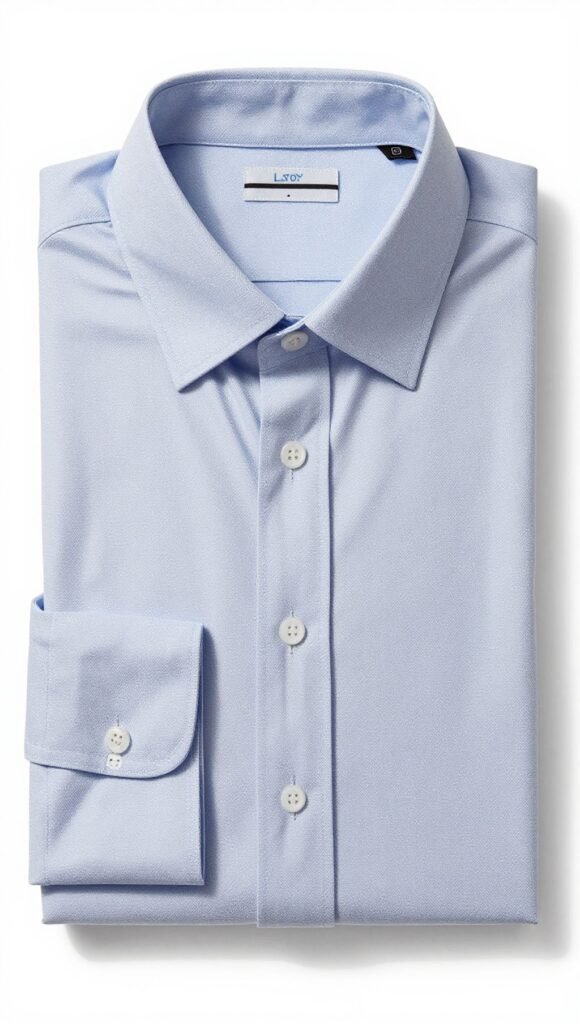
For items that are more prone to wrinkling or have a more structured design, such as button-down shirts, blouses, and dresses made of delicate fabrics, a classic flat fold is often preferred. This method respects the garment’s natural lines, minimizing harsh creases and preserving its ready-to-wear elegance. Each fold is a deliberate act, a gentle sculpting of fabric to maintain its pristine condition, ensuring you can step off the plane looking as fresh as you did when you left.
- For Button-Down Shirts and Blouses: Lay the shirt face down. Fold one sleeve inward, aligning it with the shoulder seam. Then, fold the side of the shirt inward, creating a straight line from the shoulder to the hem. Repeat on the other side. Now, fold the shirt in half or in thirds from the bottom hem upwards, depending on the length and your suitcase dimensions. The goal is a neat, rectangular package.
- For Dresses: Lay the dress flat. Fold the sides inward to create a narrow rectangle, aligning the sleeves or straps with the body of the dress. For longer dresses, fold in half or thirds from the bottom up. For delicate fabrics, consider placing a sheet of tissue paper inside the folds to further reduce creasing.
Pro tip: For shirts, button the top button to maintain the collar’s shape. You can also place a piece of cardboard or a magazine inside the folded shirt to give it extra structure and prevent crushing, a small fortress against the rigors of travel.
Step 4: Mastering the Pant Fold – Jeans, Trousers, and Skirts
Pants and skirts, often bulkier items, require a thoughtful approach to minimize their footprint and prevent unsightly creases. The goal is to create a compact, manageable bundle that slides easily into your luggage, ready for exploring bustling markets or quiet contemplation by a riverside.
- For Jeans and Casual Trousers: Lay them flat, smoothing out any wrinkles. Fold them in half lengthwise, bringing one leg over the other. Then, fold them in half again, or in thirds, depending on the length, from the bottom hem upwards. This creates a neat, rectangular block.
- For Dress Pants and Skirts: Lay them flat. For pants, fold them in half lengthwise, ensuring the creases are aligned. Then, fold them over a hanger or fold them in half or thirds. For skirts, especially those prone to wrinkling, fold them in half or thirds lengthwise, then fold once or twice more to fit your bag. Consider placing them on top of other folded items to minimize pressure.
Pro tip: When folding dress pants, align the existing creases (if any) to reinforce them. For fabrics that wrinkle easily, try folding them over a rolled item (like a t-shirt roll) to create a softer curve instead of a sharp crease, a gentle embrace for your delicate garments.

Step 5: Delicates and Intimates – Protecting Your Precious Layers
Your most delicate items – lingerie, silk scarves, and other small, precious pieces – deserve special attention. They are the hidden treasures of your wardrobe, and protecting them ensures you feel luxurious and comfortable, even in the most remote corners of the world.
- For Lingerie: Fold bras in half, cup-in-cup, to maintain their shape. Place them in a small, soft pouch or nestle them between softer garments. For underwear, fold into small, neat squares or rolls.
- For Silk Scarves and Ties: Roll them gently or fold them loosely. These items can be tucked into shoes or the corners of your bag, acting as soft fillers and preventing them from getting crushed.
- For Jewelry: Store in small, individual pouches or a travel jewelry organizer. This prevents tangling and protects delicate pieces from damage, ensuring your accessories are as ready for adventure as you are.
Pro tip: Use small fabric bags or even Ziploc bags for your delicates. This keeps them organized, clean, and protected from snags, like a secret pocket holding your most cherished adornments.

Step 6: The Bundle Wrap – The Ultimate Wrinkle-Defying Technique
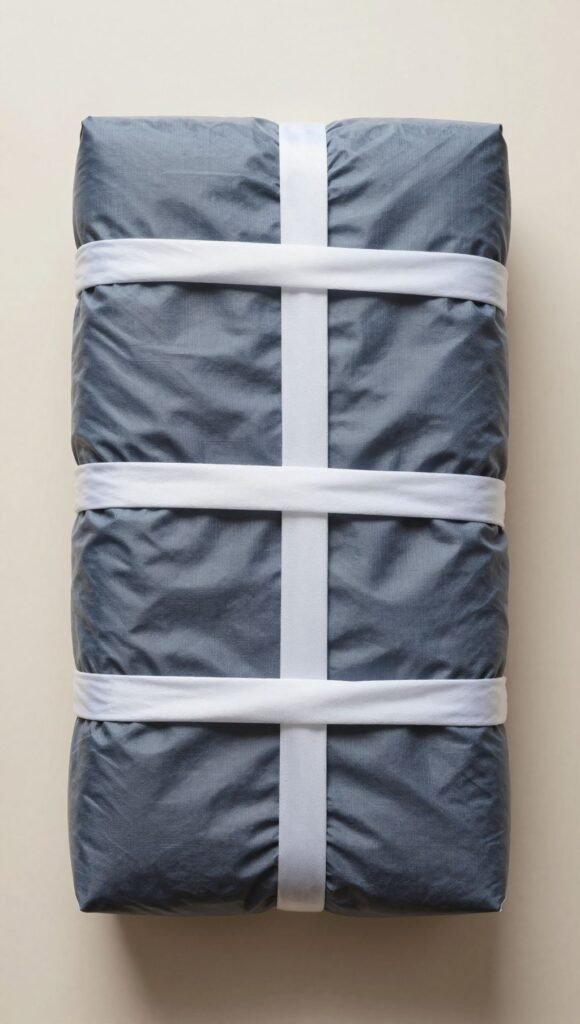
The bundle wrap is an advanced technique for those who seek to almost entirely eliminate wrinkles, particularly for longer trips or when packing formal wear. It involves wrapping smaller items around a central core, creating a large, soft bundle that distributes pressure evenly, preventing sharp creases. This method is like cradling your clothes in a protective embrace, ensuring they arrive smooth and ready for any occasion, from a spontaneous opera visit to a formal dinner in a historic castle.
- Choose Your Core: Start with a soft, non-creasing item like a t-shirt or a pair of socks rolled into a ball. This will be the heart of your bundle.
- Layer Your Garments: Lay your most wrinkle-prone items (jackets, blazers, dresses, dress shirts) flat on your packing surface. Start with the largest items, spreading them out so their sleeves or bottoms hang over the edges.
- Wrap Around the Core: Place your core item in the center. Then, starting with the inner layers, begin to wrap the garments around the core, one by one. Smooth each layer as you go. For example, lay a jacket flat, place the core in the center, then fold the jacket’s sides and sleeves over the core.
- Continue Layering: Continue with shirts, then pants, wrapping each item smoothly around the growing bundle. The key is to avoid sharp folds and to let the fabric curve gently around the core, like petals unfolding around a bloom.
- Finish with Outer Layers: Conclude with less wrinkle-prone items like sweaters or casual tops, using them as the protective outer shell of your bundle. The result is a compact, soft sphere of clothing, where no single item bears the brunt of pressure.
Pro tip: Practice this technique a few times before your trip. It takes a little getting used to, but the wrinkle-free results are incredibly rewarding, saving you precious time and hassle upon arrival, allowing you to dive straight into the cultural tapestry awaiting you.
Step 7: The Art of Placement – Packing Your Suitcase with Intention
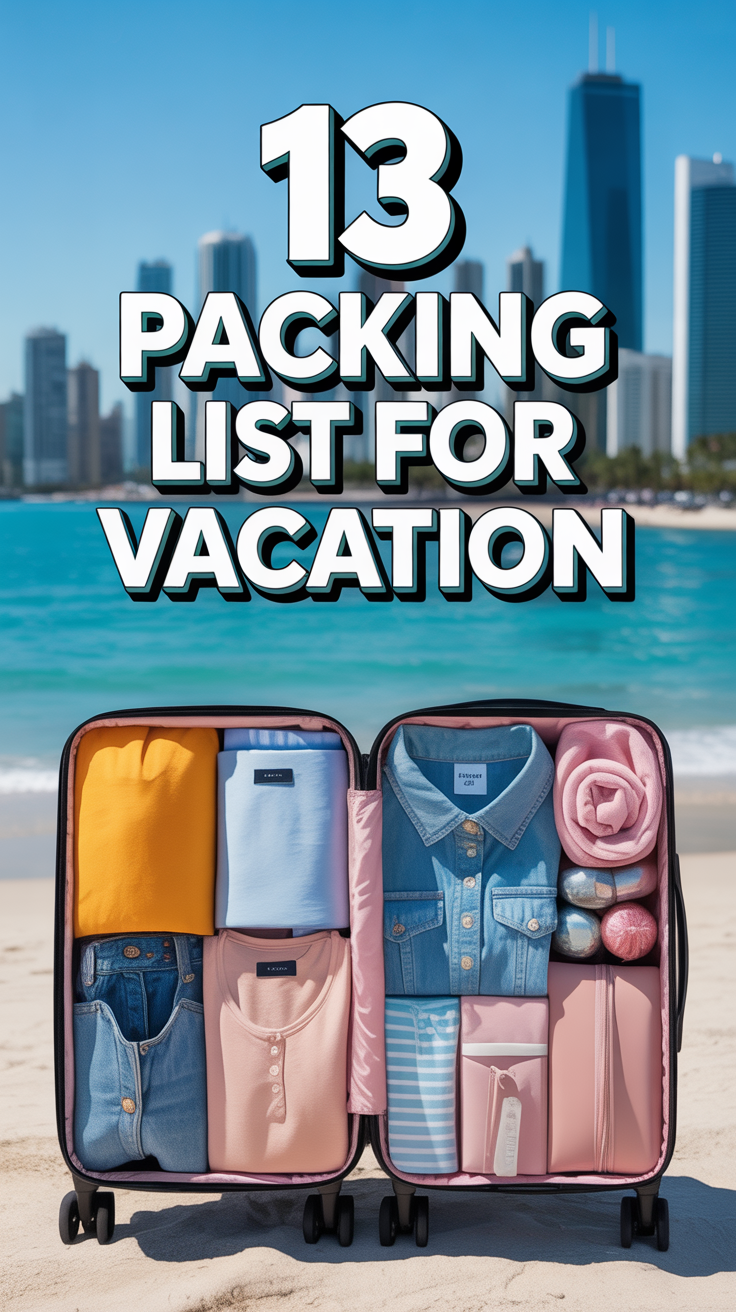
Now that your clothes are perfectly prepared, the final step is to arrange them in your suitcase. This isn’t just about fitting everything; it’s about creating a balanced, accessible, and stable foundation for your journey. Each item has its place, contributing to the overall harmony of your luggage.
- Bottom Layer (Heavy & Bulky): Place shoes (packed in bags to protect clothes), toiletries (in a leak-proof pouch), and any other heavy, non-creasing items at the bottom of your suitcase, near the wheels. This creates a stable base and prevents lighter items from being crushed.
- Middle Layer (Rolled Items & Bundles): Next, place your rolled items and any bundle-wrapped garments. Fill in gaps with smaller rolled items like socks and underwear. This layer acts as a buffer, cushioning your more delicate items.
- Top Layer (Flat Folds & Delicates): Finally, lay your flat-folded shirts, blouses, and dresses on top. These items are most susceptible to wrinkles, so they should be placed where they will experience the least amount of pressure. Tuck in any last-minute items or travel documents.
Pro tip: Consider using packing cubes. These zippered fabric containers organize your clothes into categories (e.g., shirts in one, pants in another), making it easy to find what you need without rummaging through your entire bag. They are like mini-wardrobes within your suitcase, offering order amidst the exciting chaos of travel.

Common Mistakes to Avoid

Even with the best intentions, certain pitfalls can derail your packing efforts. Understanding these common mistakes allows you to sidestep them, ensuring your journey begins and continues with effortless grace.
- Overpacking: The most prevalent mistake. Bringing too many “just in case” items leads to a heavy, disorganized bag and limited space for souvenirs.
- Why it’s problematic: Excess weight incurs airline fees, makes luggage cumbersome, and restricts spontaneity. You’ll spend more time managing your bag than exploring.
- Correct approach: Embrace minimalism. Lay out everything, then put half back. Focus on versatile, multi-purpose items. For every “what if,” ask “is this essential?”
- Ignoring Fabric Types: Treating all fabrics the same way, leading to unnecessary wrinkles or damage.
- Why it’s problematic: Delicate silks can snag; cottons can crease badly if improperly folded; synthetics might retain odors.
- Correct approach: Understand your fabrics. Roll sturdy knits and synthetics. Flat-fold or bundle-wrap delicate silks and linens. Use garment bags for formal wear.
- Not Utilizing Internal Space: Leaving empty pockets or corners within your bag, wasting valuable real estate.
- Why it’s problematic: A loosely packed bag allows items to shift, increasing wrinkles and potential damage. It’s inefficient.
- Correct approach: Fill every nook and cranny. Tuck socks into shoes, roll small items into gaps, use packing cubes to create solid blocks of clothing.
- Forgetting About Layers: Packing only for ideal weather, neglecting the reality of temperature fluctuations.
- Why it’s problematic: You’ll be either too hot or too cold, potentially needing to buy expensive, ill-fitting clothes on your trip, detracting from cultural immersion.
- Correct approach: Pack versatile layers. A lightweight jacket, a cardigan, and a few t-shirts can be combined to adapt to various temperatures, from a cool evening breeze in a Mediterranean village to a surprisingly chilly museum interior.
Troubleshooting

Even the most seasoned traveler encounters minor packing dilemmas. Here’s how to quickly resolve common issues that might arise, ensuring your journey remains smooth and stress-free.
- Issue: My clothes are still wrinkly upon arrival!
- Quick Solution: Hang them immediately upon reaching your destination. The weight of the garment often helps to pull out minor creases. If available, use the hotel bathroom’s steam by hanging clothes while you shower. For stubborn wrinkles, a travel-sized wrinkle release spray or a quick iron (if available and safe for the fabric) can work wonders. Embrace the slight rumple as part of the travel charm; it tells a story of journeys taken.
- Issue: I can’t fit everything in my suitcase, even after folding!
- Quick Solution: Re-evaluate your choices. Lay everything out again. Are there items you can truly do without? Can one pair of shoes serve multiple purposes? Consider wearing your bulkiest items (like a heavy jacket or boots) on the plane. If space is still an issue, invest in compression packing cubes, which physically squeeze air out of your clothes, creating more room. Remember, less is often more, allowing you to move through airports and train stations with a light heart and an even lighter load.
- Issue: My bag is heavy on one side / feels unbalanced.
- Quick Solution: This usually means heavy items are not evenly distributed. Open your suitcase and redistribute the weight. Place heavier items (shoes, toiletry bag) towards the bottom (near the wheels) and spread them across the width of the bag. Use lighter, softer items to fill any remaining gaps, creating a stable, balanced foundation. A balanced bag makes for a more comfortable journey, whether you’re rolling it through an ancient marketplace or hoisting it onto a train.
Key Takeaways

The journey of a thousand miles begins with a single, well-packed suitcase. By mastering these simple techniques, you’re not just folding clothes; you’re preparing for a richer, more spontaneous travel experience.
Prepare Your Space: A clear surface and a focused mindset are the foundation of efficient packing.
Roll for Space: Utilize the rolling method for soft, casual items to save space and minimize wrinkles.
Fold for Structure: Use classic flat folds for structured garments like shirts and blouses to maintain their form.
Protect Delicates: Give special care to lingerie and fragile items, using pouches or soft wraps.
Embrace the Bundle: For ultimate wrinkle prevention, especially with formal wear, try the bundle wrap technique.
Pack with Intention: Layer your suitcase from heavy to light, filling all gaps to create a stable, organized bag.
Avoid Overpacking: Less is truly more. Focus on versatile items to maximize your travel freedom.
Understand Fabrics: Adapt your folding technique to the specific needs of each garment’s material.
Utilize Packing Cubes: For superior organization and space optimization, these are invaluable allies.
Frequently Asked Questions
- Should I use vacuum seal bags for travel?While vacuum seal bags dramatically reduce volume, they don’t reduce weight. They’re great for bulky items like winter coats or blankets, but be cautious with delicate fabrics as the extreme compression can cause deep, difficult-to-remove wrinkles. Also, remember you’ll need a vacuum to re-seal them for your return journey, which isn’t always available in every hidden guesthouse or remote village.

- How do I pack shoes without getting dirt on my clothes?Always pack shoes in individual shoe bags or plastic grocery bags. Place them sole-to-sole at the bottom of your suitcase, ideally along the edges, to create a stable foundation. You can also stuff small items like socks or underwear inside your shoes to save space and help them maintain their shape.
- What about toiletries? Should I pack them separately?Absolutely! Always pack toiletries in a dedicated, leak-proof toiletry bag. Place this bag in an easily accessible spot in your suitcase, preferably at the top or in an external pocket, for quick access during security checks. Opt for travel-sized containers or solid toiletries to save space and avoid liquid restrictions, ensuring a smooth passage through airport security, leaving more time for pre-flight coffee.
- How can I keep my dirty clothes separate from clean ones?Bring a lightweight, collapsible laundry bag or a few large Ziploc bags. As you wear clothes, place them in the designated dirty laundry bag. This keeps odors and any potential dirt away from your fresh garments, maintaining the sanctity of your clean clothes, even after days of exploring bustling markets and ancient ruins.
What’s Next?

You’ve now unlocked the secrets to a well-packed suitcase, a silent promise of effortless journeys and spontaneous adventures. But the art of travel extends beyond the confines of your luggage.
Now that your clothes are ready, consider refining your travel itinerary. Dive deeper into the culture of your destination – learn a few key phrases, research local customs, or seek out lesser-known culinary experiences. Explore guides on sustainable travel practices to minimize your footprint, or discover how to truly connect with local communities.
The perfectly folded garment is merely the first step. The true magic unfolds when you step out, unburdened and ready, into the vibrant tapestry of the world. So, take these lessons, pack with intention, and let your next journey be filled with unexpected delights, hidden gems, and the profound joy of seamless exploration. Your adventure awaits, perfectly poised and wrinkle-free.