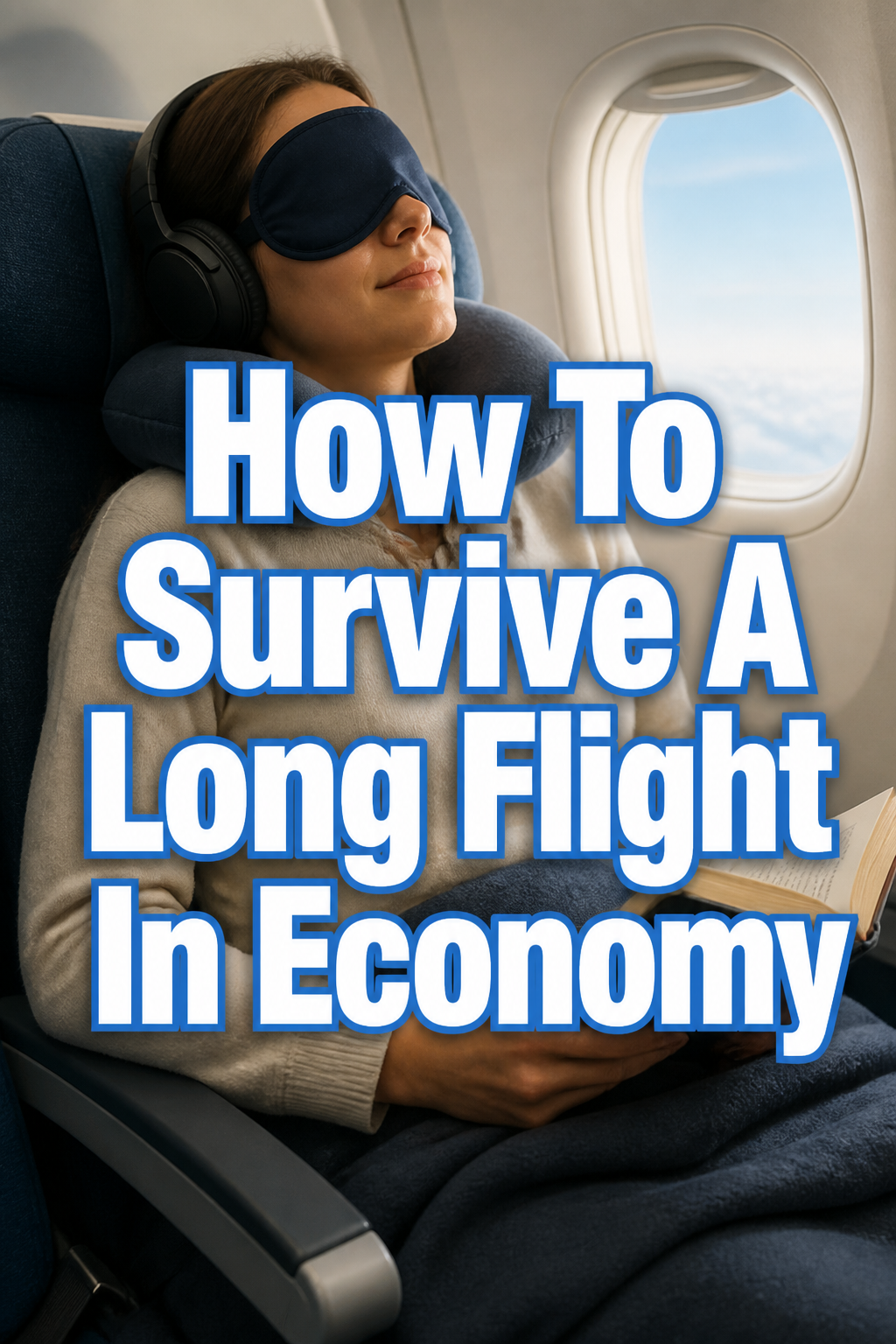
🏖 How To Survive A Long Flight In Economy
✈️ The Smart Traveler's Toolkit
Whether you're heading to the beaches of Thailand or exploring cobblestone streets in Prague, these are the 5 travel essentials that seasoned globetrotters and travel editors universally recommend — the gear that makes every trip smoother, lighter, and more enjoyable.
🧳 Away The Carry-On Hard Shell Suitcase
The single most recommended carry-on in the travel world right now. Travel editors and frequent flyers rely on its durable polycarbonate shell, 360° spinner wheels, and built-in compression system to maximize packing space while gliding effortlessly through any airport terminal.
🎒 Osprey Daylite Plus Daypack
The go-to daypack that professional travel bloggers and adventure guides swear by for city explorations and shore excursions. Its lightweight, breathable mesh back panel keeps you cool in tropical heat, while the 20L capacity fits everything you need — camera, water bottle, sunscreen, and souvenirs — without weighing you down.
📦 Eagle Creek Pack-It Reveal Cube Set
The packing organization system that experts credit with fitting 30% more into any suitcase. These translucent, color-coded cubes separate tops, bottoms, and accessories so you spend zero time digging through your bag — universally recommended by professional packers and minimalist travel coaches worldwide.
🎧 Sony WH-1000XM5 Noise-Cancelling Headphones
The undisputed king of travel headphones that flight attendants and business travelers universally recommend. The industry-leading noise cancellation erases engine roar, crying babies, and airport chaos — giving you 30 hours of blissful silence for long-haul flights, road trips, and train journeys.
🔋 Anker PowerCore 26800 Portable Charger
The portable power bank that travel photographers and digital nomads rely on to keep devices charged through full-day excursions without hunting for outlets. With enough capacity to charge a phone 6+ times over, it's the non-negotiable lifeline for capturing every sunset, navigating unfamiliar cities, and staying connected abroad.
That familiar hum of the aircraft engines often sparks a mix of excitement and apprehension, especially when you know hours stretch before you in a snug economy seat.
I remember my first 16-hour journey to Southeast Asia, feeling completely unprepared and utterly drained upon arrival.
This guide distills years of personal transatlantic and transpacific experience into actionable wisdom, transforming potential dread into a journey of discovery, even before you land.
Quick Overview
This guide will equip you with a traveler’s mindset and practical strategies to navigate the unique challenges of long-haul economy flights, arriving refreshed and ready for adventure.
- Time needed: Approximately 1-2 hours for planning and packing, then the duration of your flight to practice.
- Difficulty: Beginner to Intermediate. Anyone can apply these techniques.
- What you’ll need: A positive attitude, smart packing choices, and an open mind.
Step-by-Step Instructions
Step 1: Cultivate Your Inner Oasis Before You Go
The journey begins long before you step onto the plane. Prepare your mind and body for the experience ahead.
Imagine the adventure waiting, the new sights, sounds, and tastes. This mental shift transforms a chore into a prelude.
- Hydrate diligently in the days leading up to your flight. Your body will thank you for this foundation.
- Rest well. A full night’s sleep before departure can significantly impact your in-flight comfort and resilience.
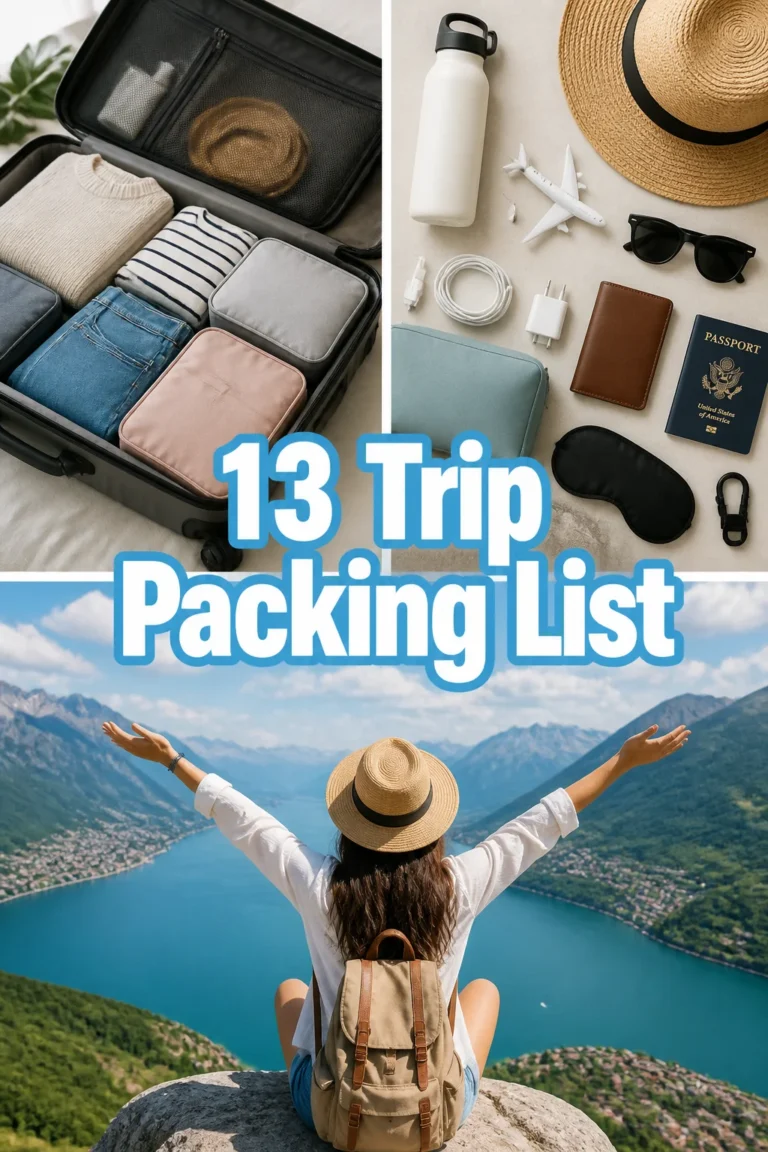
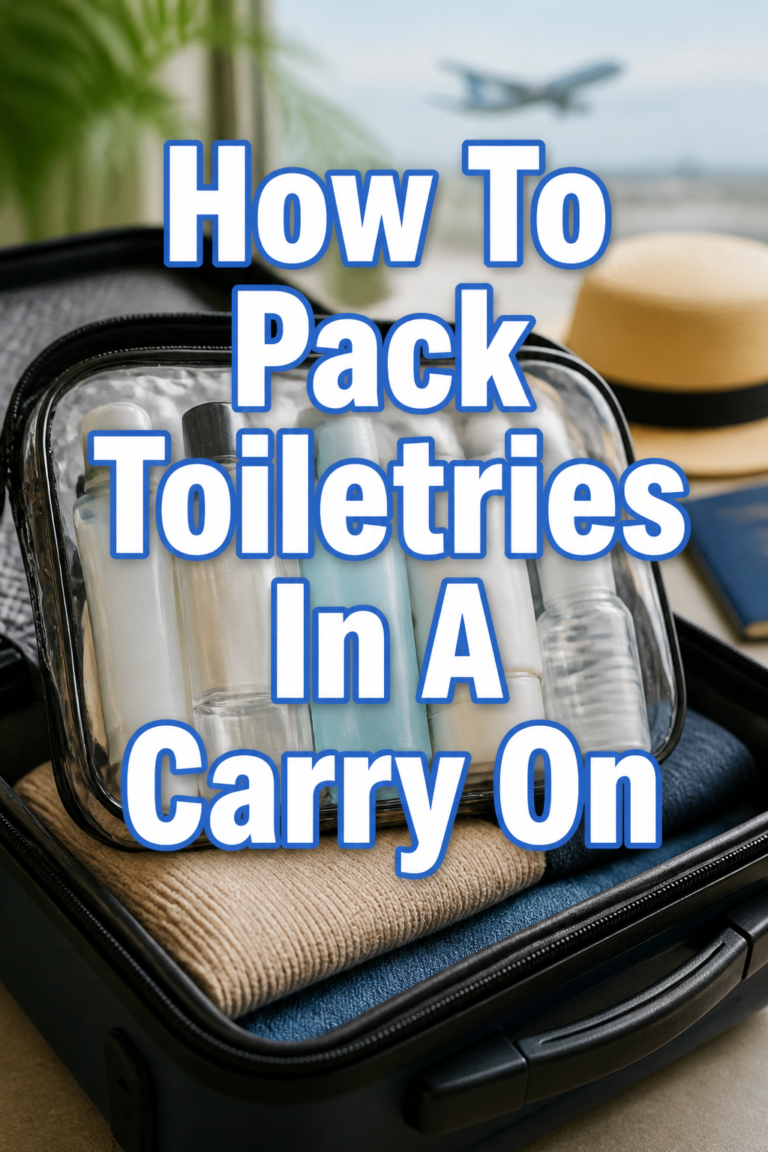
- Pack intentionally. Every item in your carry-on should serve a purpose, contributing to your comfort or entertainment.
Pro Tip: Think of your carry-on not as a bag, but as a carefully curated survival kit for your personal well-being capsule. Each item is a tool for comfort or distraction.
Step 2: Master the Art of the Seat Selection
Your seat is your temporary home. Choose it wisely to maximize your personal space and minimize disruptions.
A good seat can be the difference between a tolerable flight and a truly pleasant one.
- Research your aircraft type using sites like SeatGuru. Understand the layout and potential quirks.
- Prioritize window seats for leaning and uninterrupted views, or aisle seats for easy access to stretch and restrooms.
- Avoid the last row, galley, or lavatory proximity if possible, as these areas often come with more noise and traffic.
Consider paying a little extra for an exit row or bulkhead seat if space is a paramount concern for your long legs.
Step 3: Dress for Comfort, Layer for Adaptability
Airplane cabins are notorious for fluctuating temperatures, from chilly drafts to surprisingly warm pockets.
Your clothing choices are your first line of defense against discomfort.
- Opt for loose-fitting, breathable fabrics like cotton, linen, or soft knits. Elastic waistbands are your friend.
- Wear layers. A t-shirt, a long-sleeved shirt, and a soft cardigan or light jacket allow you to adjust easily.
- Choose comfortable, slip-on shoes. Your feet may swell, and you’ll want to remove them easily during the flight.
A large, soft scarf can double as a blanket, pillow, or eye mask, adding versatility to your travel ensemble.
Step 4: Craft Your Personal Comfort Cocoon
Transforming your small space into a sanctuary is crucial for long-haul peace.
These small additions make a world of difference in your sensory experience.
- Invest in a quality neck pillow. Not just any pillow, but one that truly supports your head and neck during sleep.
- Bring noise-canceling headphones. These are invaluable for blocking out engine hum, crying babies, and chatter.
- Pack an eye mask. Darkness signals your body to rest, even in a brightly lit cabin.
- Carry your own small, soft blanket or pashmina. Airplane blankets are often thin and sometimes scarce.
Pro Tip: Add a familiar scent, like a small rollerball of lavender essential oil. A dab on your wrists can create a calming, personal aroma bubble, masking less pleasant cabin smells.
Step 5: Hydrate Relentlessly and Nourish Wisely
The dry cabin air is a stealthy enemy, leading to dehydration and fatigue. Combat it proactively.
What you consume, or don’t consume, profoundly impacts how you feel mid-flight and upon arrival.
- Drink water constantly. Accept every offer from the flight attendants, and bring a reusable bottle to refill after security.
- Avoid excessive alcohol and caffeine. While tempting, they are dehydrating and disrupt your sleep cycle.
- Pack healthy snacks. Fresh fruit, nuts, energy bars, and dried fruit offer sustained energy without a sugar crash.
Consider bringing your own tea bags. Many airlines offer hot water, allowing you to enjoy a comforting, familiar brew.
Step 6: Embrace Movement and Mindful Moments
Stagnation is the enemy of long flights. Keep your blood flowing and your mind engaged.
Small movements and mental shifts can prevent stiffness and cabin fever.
- Walk the aisles every few hours. A short stroll to the lavatory and back can do wonders for circulation.
- Perform simple in-seat stretches. Rotate your ankles, stretch your neck, and gently move your shoulders.
- Engage in mindful activities. Read a captivating book, listen to a podcast, or journal your thoughts.
- Watch a foreign film. Immerse yourself in a new culture before you even land, fostering excitement.
Don’t be afraid to close your eyes and practice a short meditation. Even ten minutes of quiet focus can reset your mood.
Step 7: Reframe Your Perspective – The Flight as Part of the Journey
Instead of viewing the flight as an obstacle, see it as an integral, unique part of your travel adventure.
This shift in perspective can transform a challenge into an opportunity.
- Consider the flight a rare block of uninterrupted time. When else do you have hours with no chores, emails, or distractions?
- Use it for personal projects. Write, sketch, plan your itinerary, or simply dream about your destination.
- Observe the world outside your window. The changing landscapes, the clouds, the sunrise or sunset from above are breathtaking.
Engage in polite conversation with a fellow traveler if the opportunity arises. You might learn something fascinating or make a new connection.
Common Mistakes to Avoid
Not Prioritizing Sleep
Many travelers try to power through a long flight, relying on movies and snacks, only to arrive utterly exhausted. Skipping sleep disrupts your body’s natural rhythms and makes jet lag far worse.
Instead, actively try to sleep. Use your comfort cocoon items, adjust your watch to the destination time, and attempt to sleep during what would be nighttime at your destination.
Over-relying on In-Flight Entertainment
While movies are a great distraction, staring at a screen for hours can contribute to eye strain, headaches, and mental fatigue. It also makes it harder to truly rest.
Balance screen time with other activities. Read a physical book, listen to music or podcasts, or simply close your eyes and let your mind wander. Bring your own content, as airline selections can be limited.
Ignoring Hydration and Nutrition
It’s easy to forget to drink water or grab unhealthy snacks due to convenience or boredom. This leads to dehydration, bloating, and energy crashes, making the flight feel longer and more uncomfortable.
Make a conscious effort to drink water frequently. Pack a variety of nourishing snacks that you genuinely enjoy, ensuring you have healthy options readily available.
Troubleshooting
Persistent Discomfort or Stiffness
Even with movement, long periods of sitting can lead to aches. This is a common complaint, especially for those prone to back or neck issues.
Solution: In addition to regular walks and stretches, consider bringing a small, inflatable lumbar pillow for lower back support. If allowed, gently massage any stiff areas. Ask a flight attendant if there’s an empty seat where you might stretch for a few minutes if the cabin is quiet.
Inability to Sleep Despite Efforts
Sometimes, even with all the right gear, sleep just won’t come. The excitement, cabin noise, or unfamiliar environment can be too stimulating.
Solution: Don’t force it. Instead, focus on deep relaxation. Listen to calming music or guided meditations. Practice slow, deep breathing. Even if you don’t sleep, resting your eyes and mind can be restorative. Consider a gentle, non-habit forming sleep aid if you know you struggle, but test it before your flight.
Feeling Overwhelmed or Anxious
The confined space, duration, and unfamiliarity of a long flight can sometimes trigger feelings of anxiety or claustrophobia for some travelers.
Solution: Focus on controlled breathing exercises. Inhale slowly for four counts, hold for four, exhale for six. Distract yourself with engaging content like a gripping audiobook. Remind yourself that this is a temporary situation, and a grand adventure awaits. Look out the window and connect with the vastness of the sky.
Key Takeaways
- Preparation is paramount, starting with your mindset and packing choices days before departure.
- Your seat is your sanctuary; choose it thoughtfully and equip it with personal comfort items.
- Hydration and mindful nutrition are your best defense against cabin discomfort and jet lag.
- Regular movement and varied entertainment keep your body and mind engaged and refreshed.
- Embrace the flight as an opportunity for unique experiences and personal time, not just a hurdle.
Frequently Asked Questions
Is it better to take a night flight or a day flight for long distances?
Night flights often feel shorter as you can sleep through a significant portion of the journey, aligning more naturally with your body’s sleep cycle. This can help reduce jet lag upon arrival, especially if you adjust your sleep schedule to your destination’s time zone during the flight.
Should I interact with my seatmates, or keep to myself?
This largely depends on your comfort level and the cues from your seatmates. A brief, polite greeting is always fine. If they seem open to conversation, a light chat can be pleasant. However, be mindful of their desire for quiet and privacy. Always respect boundaries, and don’t feel obligated to engage if you prefer solitude.
How can I deal with the time zone changes and jet lag effectively?
Start adjusting your sleep schedule a few days before your flight. Once onboard, set your watch to your destination’s time and try to eat and sleep according to that schedule. Upon arrival, expose yourself to natural light during the day, stay hydrated, and try to avoid long naps, pushing through until local bedtime.
What if I get bored even with all my entertainment options?
Boredom can be an unexpected gift. Instead of fighting it, embrace it as an opportunity for introspection or creative thought. Try journaling, sketching, or simply observing the world around you. You might discover new ideas or perspectives when your mind is allowed to wander freely without constant stimulation.
Our Top Recommended Finds
- Inflatable Footrest Pillow: Elevates your feet, mimicking a recliner and easing pressure on your lower back and legs.
- Compact Travel Humidifier: A tiny device that adds moisture to the dry cabin air, helping to alleviate dry eyes and skin.
- Multi-Pocket Travel Organizer: Keeps all your essentials (headphones, eye mask, snacks, book) neatly organized and within easy reach in your seat pocket.
Embarking on Your Elevated Journey
The journey itself, not just the destination, holds profound beauty and lessons. Even in the close quarters of an economy cabin, you can create an experience that enriches your travels.
By shifting your mindset and applying these practical steps, you transform a potentially trying ordeal into a segment of your adventure.
Begin planning your comfort cocoon today. Imagine the vibrant cultures, the breathtaking landscapes, and the unforgettable moments awaiting you. Let your next long flight be a testament to the power of thoughtful preparation and a spirit ready for anything.