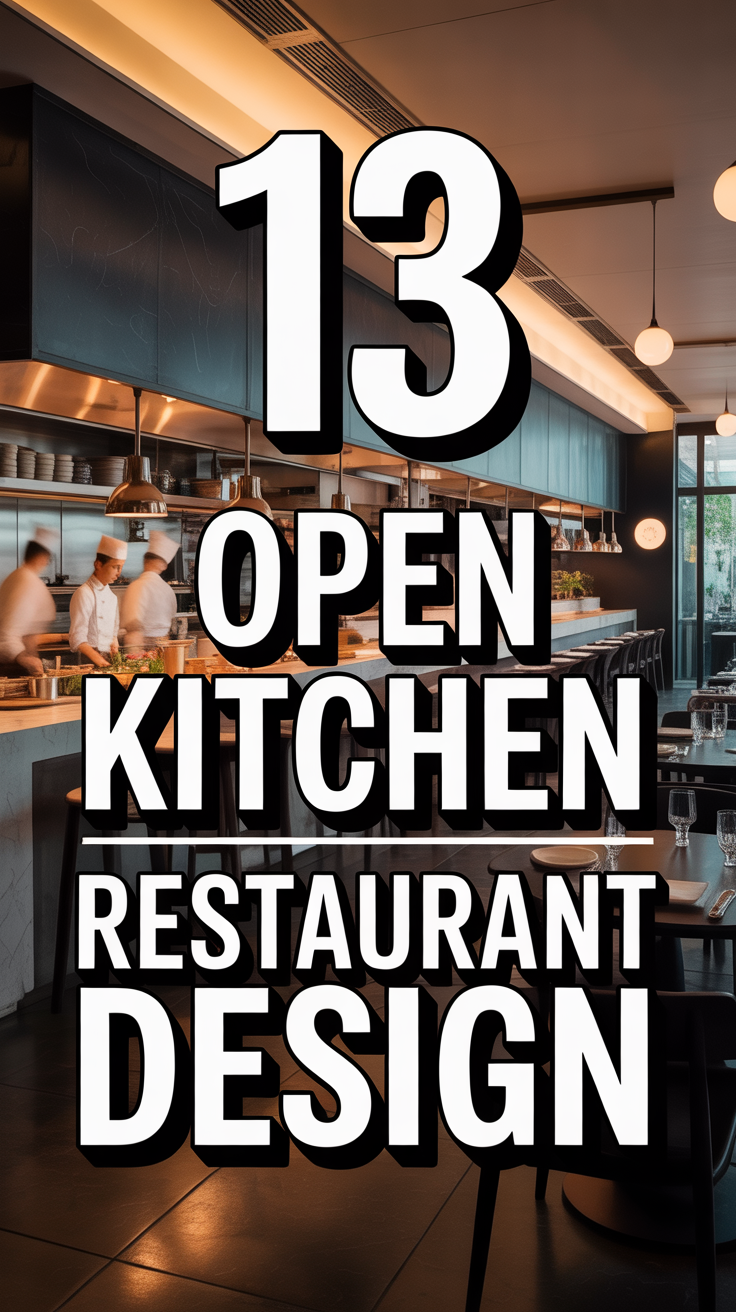
🍳 13 Open Kitchen Restaurant Design
Alright, let’s talk open kitchens. Seriously, who doesn’t love a good show with their dinner? We’re not just here to eat anymore, darling, we’re here for the full culinary ballet. Gone are the days of chefs hiding in the back, slaving away in secret. Now, it’s all about transparency, sizzle, and maybe a little bit of performance anxiety for the kitchen crew. But hey, it makes for an incredible dining experience. So, if you’re thinking of pulling back that curtain, here are some seriously chic ways to nail your open kitchen restaurant design. Prepare to have your mind blown, or at least mildly impressed.

1. The Chef’s Stage

This isn’t just a kitchen, it’s a performance art piece. Every whisk, every chop, every perfectly plated dish becomes part of the show. Think high-end, gleaming equipment that looks as good as it works, set against pristine surfaces. It’s about creating a focal point where the culinary magic unfolds right before your very eyes.
Pro tip Make sure your team has a clear understanding of the “audience” and their role in the spectacle. A little choreography goes a long way. This setup inherently builds anticipation and a connection with the food’s journey.
2. Seamless Sightlines

Nobody wants to feel like they’re peeking through a keyhole. The goal here is an uninterrupted visual flow from the dining room straight into the heart of the kitchen. Minimal barriers, clever layouts, and maybe even some strategically placed glass partitions allow diners to take it all in without feeling intrusive.
Pro tip Position your taller equipment like refrigerators or ovens where they won’t block the view of the action. This transparency really builds trust and elevates the excitement for what’s coming to the table.
3. Acoustic Alchemy

We want the delightful sizzle of a pan, not the cacophony of clanging pots and shouting chefs. Managing sound is crucial in an open kitchen. Think about incorporating sound-dampening materials in ceilings or walls, and choosing quieter, high-performance equipment.
Pro tip Acoustic panels can actually be quite stylish. Integrate them into your design for a sophisticated touch that also keeps the decibels in check. It ensures the vibe stays lively without ever becoming overwhelming for your guests.
4. Ventilation Voodoo

Nobody wants their cashmere smelling like last night’s garlic prawns. Powerful, efficient ventilation is non-negotiable. It needs to be effective enough to pull all cooking odors out discreetly, keeping the dining area fresh and inviting.
Pro tip Design your ventilation system to be an intentional part of the aesthetic, not an afterthought. A fresh-smelling space is always a winner and makes everyone feel more comfortable, trust us.
5. Material Magic
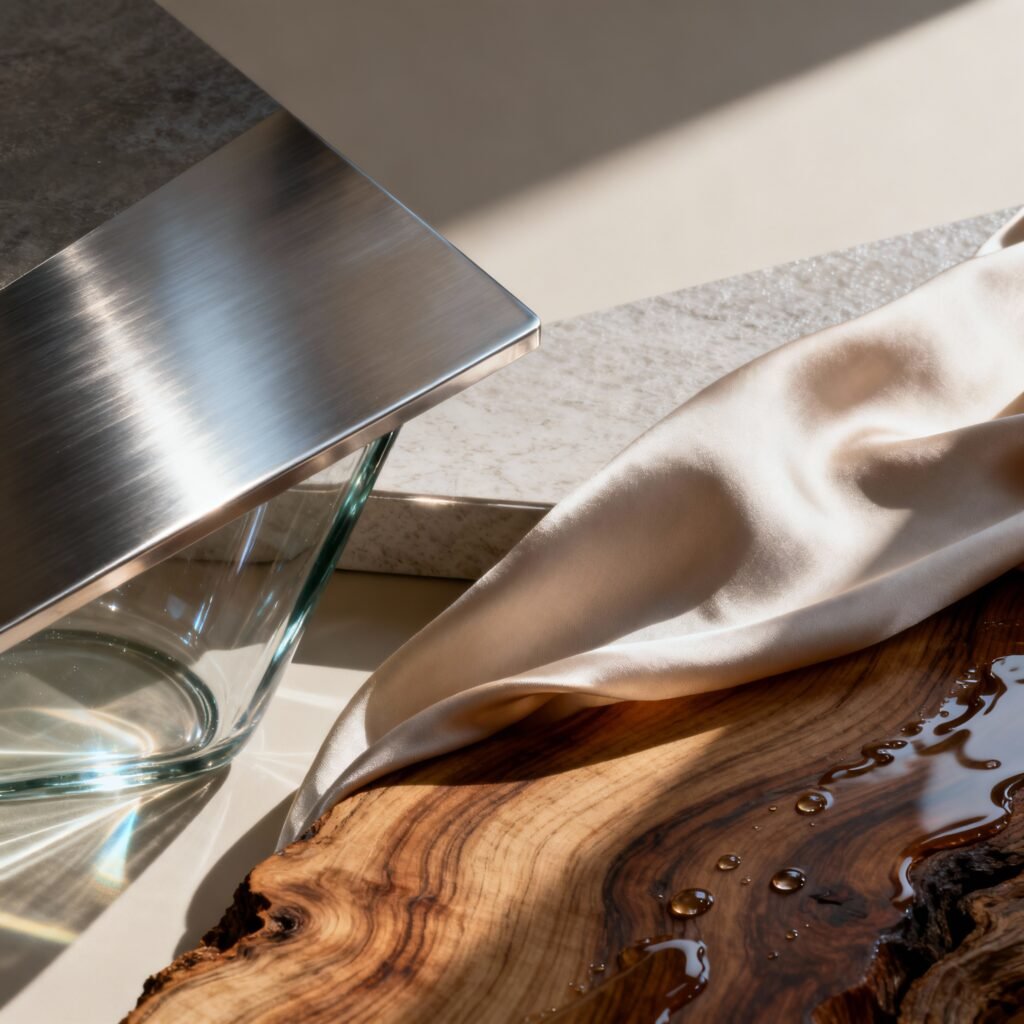
Here’s where aesthetics absolutely meet practicality. You need materials that are not only durable and easy to clean but also visually stunning. Think sleek stainless steel, warm natural wood, elegant stone countertops, or artfully tiled backsplashes.
Pro tip Opt for materials that can stand up to the heat (literally) and look good doing it. They contribute significantly to both the hygiene standards and the overall sophisticated ambiance of your restaurant.
6. Lighting Brilliance

Lighting sets the mood and highlights the stars of the show – the food and the chefs. You’ll need bright, focused task lighting in the prep areas, complemented by warmer, more ambient lighting for the overall atmosphere. Dimmable options are always a smart move.
Pro tip Use spotlights over key stations to draw the eye to the action. Good lighting guides the eye and dramatically enhances the entire dining experience, making everything look more appetizing.
7. The Pass Perfection

This is the sacred handover zone where culinary masterpieces officially leave the kitchen and begin their journey to the diner. It needs to be impeccably lit, spotlessly clean, and incredibly organized. Often, it’s a sleek counter or a stylish window.
Pro tip Ensure the pass is wide enough to accommodate multiple plates and allows for seamless communication between chefs and servers. Efficient service means happy diners, and this spot is key.
8. Storage Savvy
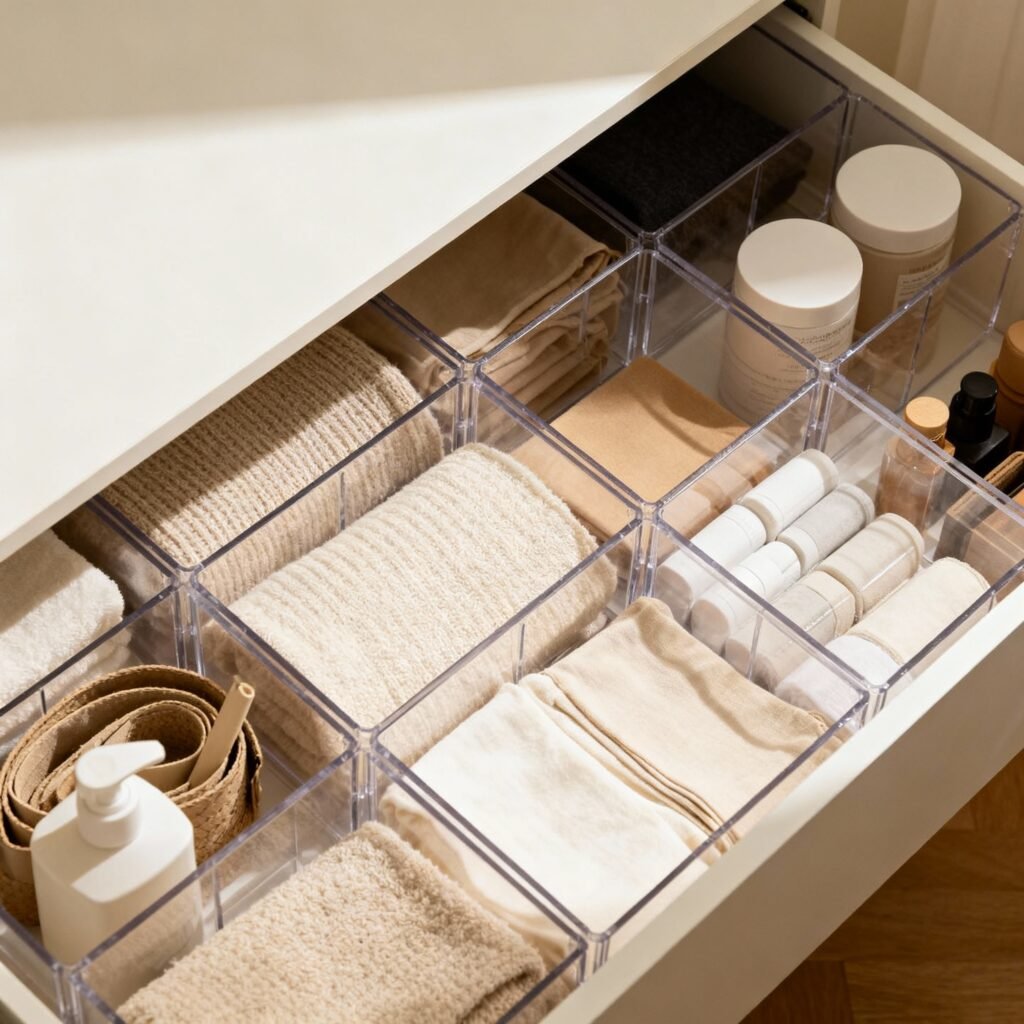
Out of sight, out of mind, right? Well, mostly. In an open kitchen, visible storage needs to be immaculate. Think integrated cabinetry, cleverly hidden shelves, and organized racks that keep everything tidy and accessible without looking cluttered.
Pro tip Utilize vertical space with sleek, built-in storage solutions that blend into the design. A clutter-free kitchen always looks more professional and, frankly, much calmer.
9. Branding Integration

Your kitchen isn’t just a workspace, it’s an extension of your restaurant’s brand story. Think about consistent color schemes, subtle logo integration, and even chef uniforms that align with your overall aesthetic. It’s all about telling a cohesive story.
Pro tip Let the kitchen’s design naturally reflect your restaurant’s unique concept and specific cuisine. This approach powerfully reinforces your establishment’s distinctive personality.
10. Guest Engagement Zones

Why not let your guests get a little closer to the action? Consider incorporating counter seating directly facing the kitchen, a dedicated chef’s table, or even a visible wood-fired pizza oven or charcoal grill. It’s about creating an immersive experience.
Pro tip Make sure any seating in these zones is comfortable and offers a clear view without ever getting in the way of the kitchen staff. This creates a truly memorable and interactive dining experience.
11. Ergonomic Excellence

Happy chefs make better food, period. Design the kitchen for optimal flow and efficiency, not just for show. This means a logical workflow, comfortable working heights, and easy access to frequently used tools and ingredients.
Pro tip Involve your kitchen staff in the design process. They are the experts on what works best for their daily operations. Efficient movement reduces stress and significantly improves overall output.
12. Green Glimmers

Doing good while looking good is always a win. Incorporate sustainable touches like energy-efficient appliances, locally sourced materials, and clearly designated waste sorting stations. It’s about being responsible and stylish.
Pro tip Subtly highlight your sustainable efforts. Diners increasingly appreciate businesses that care about their environmental impact. Plus, it can actually reduce your operational costs in the long run.
13. The Clean Freak Factor

In an open kitchen, hygiene is absolutely paramount. Everything needs to sparkle and shine, always. Design with easy-to-clean surfaces, visibly placed cleaning stations, and impeccable staff habits. There’s no hiding here.
Pro tip Design with cleaning in mind from the very beginning. Avoid hidden nooks and crannies where grime can accumulate. Visible cleanliness reassures diners about food safety and speaks volumes about your professionalism.
Conclusion
So there you have it, folks. Open kitchens are more than just a trend; they’re a statement. They scream confidence, transparency, and a whole lot of delicious drama. Get it right, and you’re not just serving food, you’re serving an unforgettable experience. Now go forth and design something truly spectacular.