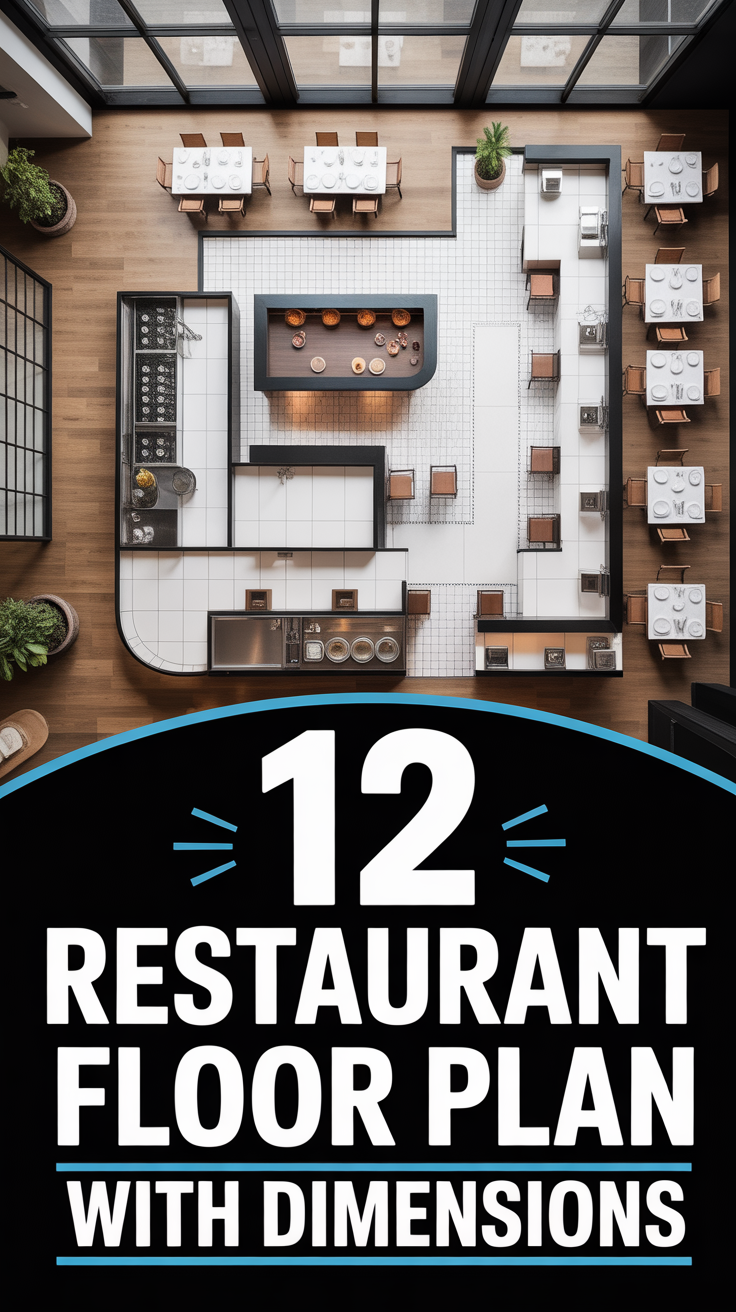
📐 12 Restaurant Floor Plan With Dimensions
Alright, listen up, future hospitality moguls and design aficionados! You’re probably staring at a blank blueprint, wondering how to turn that empty space into the next hotspot everyone’s buzzing about. Crafting a killer restaurant isn’t just about the food (though, obviously, that’s clutch). It’s about the vibe, the flow, the unspoken magic that makes people want to linger – and that, my friends, starts with your floor plan. Forget guesswork; we’re talking smart, strategic layouts with dimensions that actually work. Let’s dive into some serious inspo, shall we?

1. The Open Kitchen Concept
You want drama? You want a show? An open kitchen delivers. This layout pulls back the curtain, letting diners witness the culinary artistry happening in real-time. Imagine the sizzle, the aromas, the controlled chaos – it all adds to the experience.
Key points include a pass-through counter (think 36-42 inches high) and ample space for chefs to move without bumping elbows (aim for 36-48 inch aisles). A pro tip: install top-notch ventilation; no one wants to smell like yesterday’s fries. This setup works because it builds trust and entertainment, making the meal feel like an exclusive backstage pass.
2. Fine Dining Intimacy
For those Michelin-star dreams, space is the ultimate luxury. Fine dining demands a floor plan that whispers elegance, not shouts “pack ’em in!” Give your patrons room to breathe, to converse, to feel utterly pampered.
Think generous table spacing, at least 60-72 inches between chair backs, allowing for discreet service and private conversations. Your service aisles need to be wider too, maybe 48-60 inches, so servers aren’t squeezing past. This approach succeeds by prioritizing comfort and exclusivity, elevating the entire dining experience.
3. Casual Bistro Buzz
Sometimes, you want a lively hum, a vibrant energy that makes every table feel like the place to be. A casual bistro layout embraces a cozier, more communal feel, perfect for quick lunches or relaxed dinners.
You can get away with slightly tighter table spacing here, around 30-42 inches between chair backs, fostering that bustling atmosphere. Include a mix of two-tops, four-tops, and perhaps a communal table to maximize flexibility. A clever pro tip: use banquette seating along walls; it saves space and feels super inviting. This design thrives on creating an energetic, approachable environment.
4. Bar-Centric Social Hub
Got a killer cocktail program or a craft beer selection that’s legendary? Make your bar the beating heart of the establishment. This layout puts the focus squarely on the drinks, encouraging mingling and a vibrant social scene.
Design a spacious bar area with comfortable seating – think 24-30 inches per stool. Ensure the bar itself is deep enough (24-30 inches) for mixologists to work their magic and for patrons to enjoy their sips. Don’t forget standing room; a 3-4 foot perimeter around the bar is ideal. This concept shines by building a magnetic social core that draws people in.
5. Fast Casual Efficiency
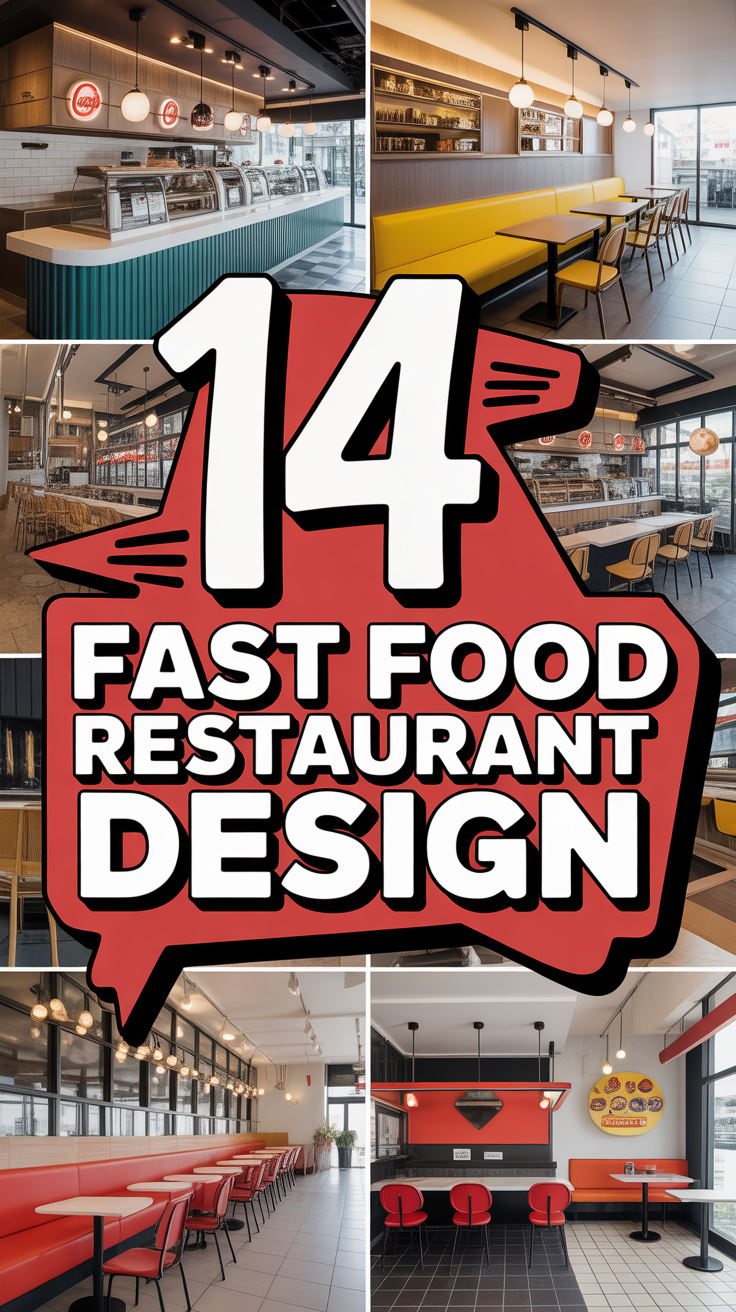
In the world of grab-and-go, speed and seamless flow are your golden tickets. A fast-casual floor plan prioritizes quick service and intuitive navigation, getting hungry folks fed without a fuss.
Establish a clear path from the order counter to the pickup area, with minimal bottlenecks. Consider a queuing line width of at least 36-42 inches. Seating can be a mix of high-tops and smaller tables, designed for quick turnover. A smart move: integrate a dedicated online order pickup shelf or cubby system. This layout wins by delivering convenience and speed, perfect for today’s busy lifestyles.
6. Outdoor Patio Integration
When the weather’s playing nice, everyone wants to dine al fresco. A successful outdoor patio isn’t just an afterthought; it’s a seamless extension of your indoor space, maximizing your seating capacity and appeal.
Ensure your doorways are wide and inviting (at least 36 inches) and that the patio itself has adequate circulation space, mimicking your indoor dining dimensions. Think about weather protection like retractable awnings or heaters for year-round use. Pro tip: make sure your outdoor furniture is both durable and stylish. This plan expands your restaurant’s footprint and offers a delightful change of scenery.
7. Multi-Level Dining Zones
Why stick to one floor when you can create an entire journey? Multi-level dining adds architectural interest and allows you to craft distinct atmospheres within a single restaurant. It’s like having several restaurants in one, but, you know, connected.
Plan for clear, safe staircases or ramps (minimum 44-inch width for public spaces). Each level can host a different vibe – perhaps a cozy lounge downstairs and a more formal dining area upstairs. The key is to maintain visual connection where possible, or create deliberate separation. This design adds layers of intrigue and caters to varied guest preferences.
8. Thematic Immersive Experience
Going for a specific theme, like a speakeasy or a jungle adventure? Your floor plan needs to tell that story, dimensions and all. This isn’t just about decor; it’s about shaping the entire spatial narrative.
Consider how the layout guides guests through the theme – perhaps a winding path through a “forest” or hidden nooks in a “library.” Dimensions might be adjusted to create more intimate, cave-like spaces or grand, open halls. A clever pro tip: use lighting and sound design as integral parts of the spatial experience. This approach transforms a meal into an unforgettable adventure.
9. L-Shaped Dining Room Utility
Sometimes, your space dictates the shape, and an L-shaped room can be a blessing in disguise. It offers opportunities for distinct zones and clever space utilization that a simple rectangle might miss.
Use the “L” to separate louder bar areas from quieter dining sections, or to create a semi-private event space. Ensure your main walkway flows smoothly around the corner, maintaining a width of at least 48 inches. A smart move: position your kitchen or restrooms efficiently in the corner or along one leg. This layout maximizes awkward spaces and provides functional separation.
10. Circular or Curved Layouts
Who says everything needs to be a straight line? Curved walls and circular seating arrangements bring a softness and fluidity to your design, encouraging conversation and a sense of connection.
Embrace curved banquettes or booths that hug the perimeter, creating a natural flow. Ensure tables placed in curved sections still allow for comfortable access (again, that 30-42 inches between chair backs is a good benchmark). This design element breaks away from rigid structures, offering a unique, inviting aesthetic.
11. Private Dining Room Focus
For those special occasions or corporate gatherings, dedicated private dining rooms are a huge draw. Your floor plan can either integrate these subtly or make them a prominent feature.
Design private rooms with flexible partitions (sliding doors or soundproofed walls) so you can adapt the space for different group sizes. Ensure these rooms have easy access to the kitchen for seamless service, and perhaps their own dedicated restroom. A thoughtful pro tip: include dimmable lighting and individual climate control for maximum comfort. This strategy caters to specific event needs, expanding your revenue streams.
12. Takeout and Delivery Optimized
In today’s world, a significant chunk of business happens off-premise. A smart floor plan acknowledges this, creating dedicated zones that prevent chaos and maintain efficiency.
Establish a separate entrance or designated pickup counter for delivery drivers and takeout customers, keeping them out of the main dining area. Design a dedicated “staging” area for packaged orders, ensuring it’s easily accessible and clearly signed. This thoughtful layout prevents bottlenecks and ensures a smooth experience for both dine-in guests and off-premise orders.
Conclusion
Whew! That was a lot, right? But seriously, getting your restaurant floor plan dialed in with the right dimensions isn’t just about aesthetics; it’s about setting the stage for success. It influences everything from customer comfort and staff efficiency to your overall vibe and bottom line. So, ditch the “just wing it” mentality and start plotting your masterpiece. Your future customers (and your busy staff) will absolutely thank you for it. Now go forth and design something awesome!